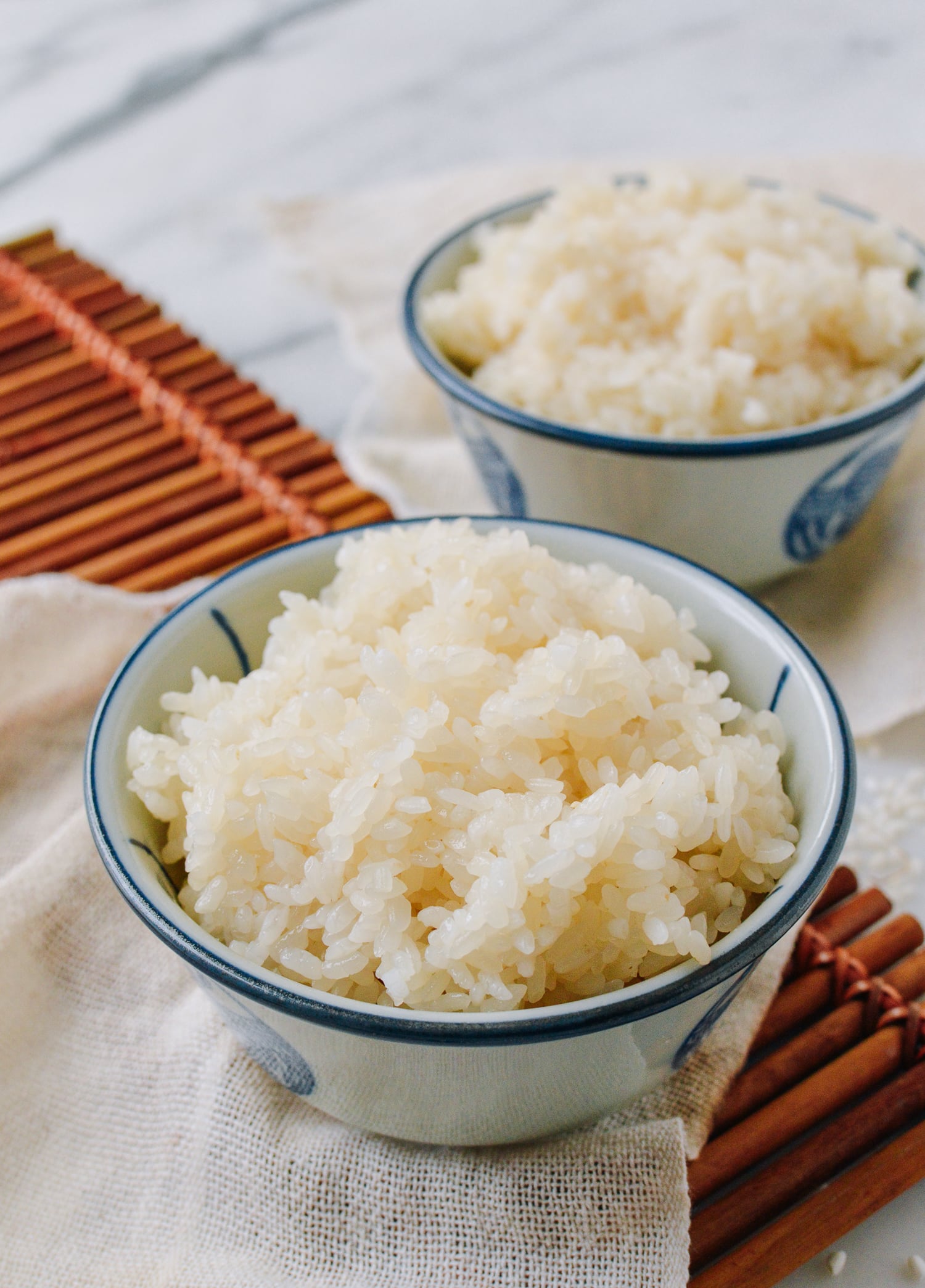
Easy Ways to Master the Perfect Sticky Rice
Sticky rice, also known as glutinous rice or sweet rice, is a beloved staple throughout Southeast Asia, particularly in Laos and Thailand. Its unique, chewy, and wonderfully adhesive texture makes it an irresistible accompaniment to a wide array of dishes, from savory curries and grilled meats to sweet mango sticky rice. While it might seem intimidating to prepare due to its distinct properties compared to regular jasmine or basmati rice, mastering the art of cooking sticky rice is entirely achievable at home. Forget dry, hard grains or mushy, overcooked clumps – this comprehensive guide will walk you through the easiest and most effective methods to achieve perfect sticky rice, whether you have a traditional steamer, a modern rice cooker, or just a simple pot on your stovetop.
Unlike other rice varieties, sticky rice's magic lies in its high amylopectin content, a type of starch that gives it its characteristic clingy texture when cooked. It contains almost no amylose, the starch that makes regular rice fluffy and separate. This difference means sticky rice requires a specific approach, distinct from your usual rice cooking routine. But don't worry, with the right techniques, you'll be enjoying perfectly tender, glossy sticky rice in no time!
Understanding Sticky Rice: More Than Just "Sticky"
Before diving into the cooking methods, it's crucial to understand what makes sticky rice unique and why the preparation steps are so important. This grain, often labeled "glutinous rice," is a misnomer for anyone avoiding gluten; it is, in fact, completely gluten-free. The term "glutinous" refers to its glue-like consistency once cooked, a direct result of its unique starch composition. Thai long-grain sticky rice is the most common variety used for savory dishes, known for its optimal texture and flavor profile.
The cultural significance of sticky rice cannot be overstated. In Laos, it's not just a side dish but the centerpiece of almost every meal, often eaten by hand, rolled into small balls and dipped into various savory accompaniments. Throughout Thailand and other parts of Asia, it serves as a cherished complement to specific regional dishes, enhancing the overall dining experience with its satisfying chewiness. Embracing its unique properties is the first step to cooking it successfully.
The Essential First Step: Preparing Your Sticky Rice for Any Method
Regardless of your chosen cooking method, the initial preparation of your sticky rice is paramount for achieving the ideal texture and flavor. Skipping these crucial steps will inevitably lead to subpar results.
Choosing the Right Rice
First and foremost, ensure you're buying the correct type of rice. Look for packages specifically labeled "glutinous rice," "sweet rice," or "sticky rice." Do not substitute with jasmine rice or any other regular white rice, as they will not yield the desired sticky texture.
Rinsing for Clarity
Before soaking, the rice needs a good rinse. Place your desired amount of sticky rice (typically 2-3 cups for a family meal) in a large bowl. Cover it with cold water and agitate the grains with your hand. You'll notice the water turn cloudy and milky due to excess surface starch. Drain this water and repeat the process several times until the water runs mostly clear. This step helps prevent the cooked rice from becoming overly gummy or clumpy.
The Power of Soaking
Soaking is perhaps the most critical step in preparing sticky rice. It fully hydrates the grains, ensuring they cook evenly, become tender throughout, and develop their characteristic translucent, glossy appearance. It also contributes to a richer flavor. There are two primary soaking options:
- Long Cold Soak: For the best texture and flavor, cover the rinsed rice with 2 to 3 inches of room-temperature water and soak for a minimum of 6 hours, or ideally, overnight (up to 24 hours). This extended soak allows the grains to absorb water gradually and thoroughly, leading to superior results.
- Short Warm Soak: If you're pressed for time, you can shorten the soaking period by using warm water (around 100°F or slightly warmer than lukewarm). Soak the rice in warm water for at least 2 hours. While still perfectly edible, this method might result in a slightly less even texture compared to the longer cold soak.
Ensure your soaking container is large enough to hold at least twice the volume of the dry rice, as the grains will expand considerably. After soaking, drain the rice thoroughly using a fine-mesh sieve or colander. If your colander holes are too large, line it with cheesecloth or a clean muslin cloth to prevent any grains from escaping.
Method 1: The Traditional Steamer — For Authentic Perfection
Cooking sticky rice over hot steam is widely regarded as the best method, yielding the most authentic texture: perfectly tender, chewy, and glossy without being waterlogged. This is the traditional way it's prepared in Laos and Thailand.
Equipment You'll Need
- Steamer Basket: A traditional conical bamboo steamer basket is ideal, but a standard stacking steamer, a metal colander lined with cheesecloth, or even a fine-mesh strainer that fits snugly over a pot will work.
- Large Pot or Wok: This will hold the boiling water. Ensure the steamer basket fits above the water level without touching it.
- Lid: To cover the steamer.
Step-by-Step Steaming Process
- Prepare the Steamer: Fill your large pot or wok with several inches of water (enough to boil for 25-35 minutes without running dry, but not so much that it touches the bottom of your steamer basket). Bring the water to a rolling boil over high heat.
- Load the Rice: Once the rice is thoroughly drained, gently transfer it to your prepared steamer basket. Arrange it in an even layer without pressing it down too tightly, which can hinder steam circulation.
- Steam: Place the steamer basket over the boiling water. Cover the steamer securely with a lid. Steam for 20 minutes.
- Flip and Continue: After 20 minutes, carefully remove the lid. The top layer of rice will be less cooked than the bottom. Using a long-handled wooden spoon or spatula, carefully flip the rice over, moving the top layer to the bottom. Re-cover and continue steaming for another 5-10 minutes, or until the rice grains are translucent, shiny, and tender when tasted. If it still feels a bit hard, continue steaming for a few more minutes.
- Check Water Level: Keep an eye on the water level in your pot. If it gets low, carefully add more boiling water, ensuring it never touches the rice.
- Rest and Serve: Once cooked, turn off the heat. Turn the cooked rice out onto a clean work surface or a large serving bowl. Use a wooden spoon to gently flatten it out a little, then fold it over on itself a few times, much like kneading dough. This helps release excess steam and prevents clumping, resulting in an even, round lump of perfectly sticky rice. For more in-depth techniques, explore our guide on Master Sticky Rice: Soaking, Steaming, and Serving Tips.
Tips for Steaming Success
- Don't Overpack: Allow steam to circulate freely through the grains for even cooking.
- Keep it Covered: The lid traps steam, which is essential for cooking the rice. Only open it to flip the rice.
- Taste Test: This is the best way to determine doneness. The rice should be tender but still have a slight chew.
- Keep Warm: Sticky rice dries out quickly when exposed to air. Serve it warm directly from a covered basket, an insulated rice container, or a bowl covered with a damp cloth or lid.
Method 2: Sticky Rice in a Rice Cooker — Convenient & Reliable
While steaming is ideal, an electric rice cooker offers a convenient and reliable alternative, especially for those without traditional steaming equipment. The key is adjusting the water ratio.
Adapting for the Rice Cooker
The crucial difference when using a rice cooker is the water-to-rice ratio. Sticky rice needs significantly less water than regular rice when cooked directly in water, to prevent it from becoming mushy. The exact ratio can vary slightly by rice cooker model and the rice itself, but a good starting point is a 1:1 ratio (by volume) of drained, soaked sticky rice to water, or even slightly less water than rice.
Rice Cooker Steps
- Prepare Rice: Rinse and soak your sticky rice following the "Essential First Step" instructions above. Drain it very thoroughly.
- Load and Add Water: Transfer the drained sticky rice to the rice cooker pot. Add an equal volume of cold water (e.g., for 2 cups of soaked rice, add 2 cups of water, or slightly less for a firmer texture). You can also use the "finger method": add water until it just barely covers the rice or reaches the first knuckle of your index finger touching the rice surface.
- Cook: Close the rice cooker lid and select the "white rice" or "regular" setting. Some advanced rice cookers might have a "glutinous rice" or "sweet rice" setting, which is perfect if available.
- Rest: Once the cooking cycle finishes and the cooker switches to "keep warm," let the rice rest for at least 10-15 minutes without opening the lid. This allows the remaining steam to fully cook the grains and firm up the texture.
- Fluff and Serve: Open the lid, gently fluff the rice with a paddle, and serve immediately, keeping it covered to retain moisture.
Rice Cooker Nuances
- Experimentation: You might need to experiment with the water ratio a couple of times to find the perfect balance for your specific rice cooker and preference.
- Not as Sticky: Rice cooked directly in a rice cooker may not be quite as translucent or have the exact same chewiness as traditionally steamed rice, but it will still be delightfully sticky and delicious.
Method 3: Stovetop Pot Method — No Special Equipment Needed
If you don't have a steamer or a rice cooker, you can still make sticky rice using a heavy-bottomed pot on your stovetop. This method requires a bit more attention but can produce good results.
Stovetop Pot Steps
- Prepare Rice: Rinse and soak your sticky rice following the "Essential First Step" instructions. Drain it extremely well.
- Combine in Pot: Transfer the drained sticky rice to a heavy-bottomed pot with a tight-fitting lid.
- Add Water: Add just enough cold water to barely cover the rice, or use a 1:1 ratio (by volume) of rice to water. For 2 cups of soaked rice, add about 1.75 to 2 cups of water.
- Bring to Boil: Bring the water to a rolling boil over medium-high heat. Stir once or twice to prevent sticking to the bottom.
- Simmer: Once boiling, reduce the heat to the lowest possible setting. Cover the pot tightly with the lid.
- Cook: Simmer for 15-20 minutes, or until all the water has been absorbed. Avoid lifting the lid during this time, as it releases crucial steam.
- Rest: Turn off the heat and let the rice rest, still covered, for another 10-15 minutes. This step is vital for the rice to finish cooking through steam and for its texture to develop.
- Fluff and Serve: Remove the lid, fluff gently with a wooden spoon, and serve warm, keeping it covered.
Stovetop Challenges & Solutions
- Burning/Sticking: This method is most prone to the rice sticking or burning at the bottom. Using a heavy-bottomed pot and very low heat is crucial.
- Texture Variation: The stovetop pot method can sometimes result in slightly less consistent texture compared to steaming or even a rice cooker, with some grains being softer and others firmer. Constant monitoring and precise water measurement are key.
Finishing Touches and Serving Suggestions
Once your sticky rice is perfectly cooked, handle it with care to maintain its ideal texture. If you've just steamed it, gently fold it over a few times with a wooden spoon as described in the steaming section. This aeration helps release excess steam and prevents clumping, creating that characteristic cohesive yet individual grain texture.
Always remember to keep your sticky rice covered until serving. Exposure to air, especially as it cools, will cause it to dry out and harden. A traditional woven sticky rice basket with a lid is excellent for keeping it warm, or simply a serving bowl covered with a damp cloth or plastic wrap will suffice.
Sticky rice is incredibly versatile. It's the perfect accompaniment to classic Thai dishes like Laab Gai (minced chicken salad), grilled pork, or green curry. For a delightful dessert, transform it into the famous mango sticky rice by serving it warm with fresh sliced mango and a drizzle of sweetened coconut milk. Leftovers can be stored in an airtight container in the refrigerator for 2-3 days and gently reheated in a microwave (with a sprinkle of water) or re-steamed to restore its tenderness.
Mastering sticky rice is a rewarding culinary journey. By understanding its unique properties and following these easy methods, you can confidently bring the flavors of Southeast Asia into your kitchen. Whether you opt for the traditional steamer, the convenient rice cooker, or the practical stovetop pot, delicious, perfectly textured sticky rice is now well within your reach. Happy cooking!
