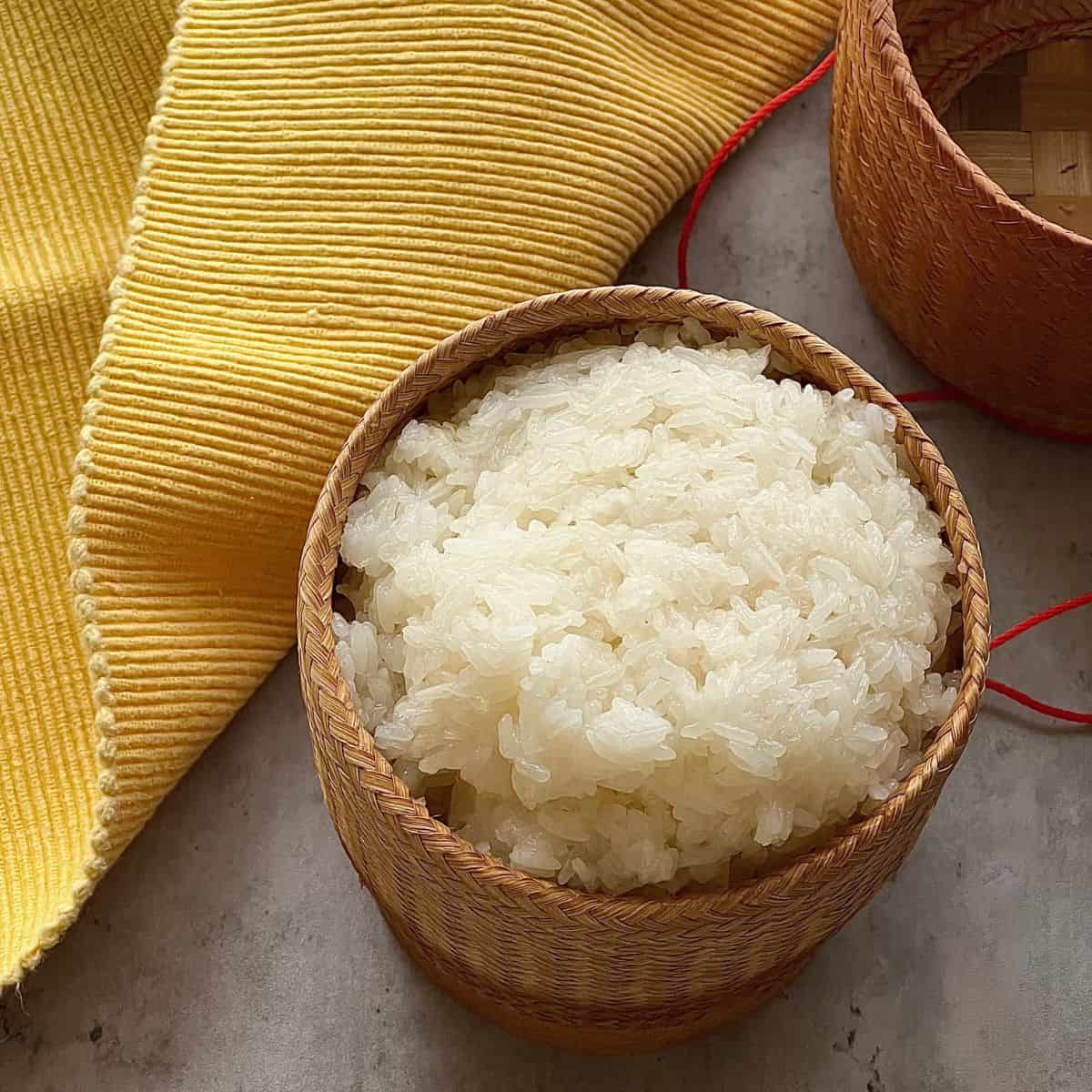
Master Sticky Rice: Soaking, Steaming, and Serving Tips
Sticky rice, also affectionately known as "sweet rice" or glutinous rice, is a beloved staple throughout Asia, especially revered in Laos and a frequent guest on Thai tables. Despite its name, this unique grain is entirely gluten-free, yet it transforms into an incredibly translucent, shiny, and delightfully sticky creation when perfectly steamed. Unlike its distant cousin, jasmine rice, sticky rice demands a particular approach, making the right sticky rice recipe not just a convenience, but a necessity for culinary success. While it might seem less forgiving than regular rice, mastering sticky rice is entirely within your reach with the proper techniques. This comprehensive guide will walk you through every step, ensuring you achieve that perfect, tender, and beautifully cohesive texture every time.
Understanding Sticky Rice: More Than Just Rice
Before diving into the cooking process, it's essential to understand what makes sticky rice so special. It's not just any white rice; it's a specific variety of long-grain rice characterized by its high amylopectin starch content. This is the starch responsible for its signature stickiness and chewy texture once cooked. When you're looking for the right ingredient for your sticky rice recipe, always seek out "long-grain Thai sticky rice" or "glutinous rice." Its ability to bind together makes it perfect for eating with your hands, scooping up curries, or forming sweet desserts like mango sticky rice. Its unique texture and subtly sweet flavor profile offer a delightful contrast to many savory dishes, making it an indispensable part of various cuisines.
While often compared to regular rice, the preparation of sticky rice is fundamentally different. It thrives on steam, not direct boiling, which contributes to its distinct mouthfeel and appearance. This article focuses on the most authentic and effective steaming method, though we acknowledge there are other approaches. For a broader look at various methods, including using electric rice cookers, explore Easy Ways to Make Sticky Rice: Steamer, Pot, or Rice Cooker.
The Essential First Steps: Choosing & Soaking Your Sticky Rice
The journey to perfect sticky rice begins long before it ever touches heat. Proper selection and, most critically, adequate soaking are non-negotiable for achieving that ideal, tender chew.
Choosing the Right Grain
As mentioned, you need specific rice for a successful sticky rice recipe. Look for bags clearly labeled "glutinous rice," "sweet rice," or "Thai sticky rice." These are typically long-grain varieties that will yield the desired results. Do not substitute with sushi rice or jasmine rice; their starch composition is different, and they will not achieve the same sticky, coherent texture.
Rinsing Your Rice
Just like with many other rice varieties, rinsing is a crucial preliminary step. Place your measured 3 cups of sticky rice in a large bowl and cover it with cold water. Swirl the rice vigorously with your hands, then drain the cloudy water. Repeat this process several times, typically 3-5 times, until the water runs mostly clear, rather than milky. This removes excess surface starch, which can otherwise lead to a gummy rather than pleasantly sticky texture.
The Critical Soak: Hydration is Key
Soaking is perhaps the most vital step in any sticky rice recipe. It fully hydrates the rice grains, allowing them to cook evenly and become beautifully tender and translucent when steamed. Without sufficient soaking, the rice will remain hard and chalky, even after extended steaming.
- Long Soak (Recommended): After rinsing, place the drained rice in a container that holds at least twice the volume of the rice (a large bowl works well). Cover the rice with 2 to 3 inches of room-temperature water. Let it soak for a minimum of 6 hours, and ideally up to 24 hours. The longer soak time significantly enhances both the flavor and ensures a more even, supremely tender texture. Think of it as waking up the starch molecules, preparing them for their transformation.
- Short Soak (Alternative): If you're pressed for time, you can shorten the soaking period by using warm water. Cover the rice with water warmed to approximately 100°F (just warm to the touch, not hot) and soak for 2 hours. While the texture and flavor might not be as profoundly developed as with a long, cold soak, the rice will still be perfectly edible and delicious.
Always remember that regardless of the soak duration, sufficient water coverage is paramount to ensure every grain is fully hydrated.
The Art of Steaming: Achieving Perfect Texture
Once your sticky rice is perfectly soaked, it's time for the magical transformation through steam. This method is superior to boiling because it cooks the rice gently and evenly without agitating the grains, preserving their integrity and preventing a mushy outcome.
Draining and Steamer Setup
After soaking, thoroughly drain the rice using a fine-mesh sieve or a colander. If your colander holes are too large, line it with a piece of muslin or cheesecloth to prevent grains from falling through. Ensure as much water as possible is drained off.
Traditionally, sticky rice is cooked in a conical woven bamboo basket (a "huad" or "kratib") placed over a pot of boiling water. This setup allows for optimal steam circulation. However, you can achieve excellent results with common kitchen tools:
- Standard Steamer Basket: Place the rice directly into a metal steamer basket.
- Colander with Cloth: Line a large metal colander with a generous piece of muslin or cheesecloth, then add the rice.
- Fine-Mesh Strainer: A sturdy fine-mesh strainer that fits snugly over a saucepan can also work.
Crucially, regardless of your chosen steamer, ensure the rice basket or colander is set over a pot or wok containing several inches of rapidly boiling water. The rice must NOT be touching the boiling water. The steam is what cooks the rice, not the water itself.
The Steaming Process for Your Sticky Rice Recipe
- Initial Steam: Place the steamer basket containing the drained rice over the boiling water. Cover the steamer with a lid (or a plate if using a colander) to trap the steam. Steam for 20-25 minutes.
- Flip and Continue: After about 20-25 minutes, carefully remove the lid. Using a long-handled wooden spoon or spatula, gently turn the rice over, moving the top layer to the bottom. This ensures even cooking, as steam naturally concentrates heat more at the bottom. Re-cover and continue steaming for another 5-10 minutes, or until the rice is translucent, shiny, and tender throughout. It may take up to 10 minutes more depending on your rice and steamer setup, so always taste-test for doneness.
- Maintain Water Levels: Throughout the steaming process, keep an eye on the water level in your pot. Add more boiling water if necessary to prevent it from running dry, but always ensure it remains below the level of the rice.
Once cooked, the grains should be plump, soft yet chewy, and stick together beautifully without being mushy. Turn off the heat.
Beyond the Steamer: Finishing and Serving Your Sticky Rice
The journey isn't quite over once the steam is off. Proper handling post-steaming is vital for the best texture and to prevent your sticky rice from drying out prematurely.
Fluffing and Folding
Carefully turn the cooked sticky rice out onto a clean work surface or a large, shallow bowl. Using a long-handled wooden spoon or a rice paddle, gently flatten it out a little. Then, fold it over on itself, first from one side, then the other, similar to how you might fold dough while kneading. This helps to break up any lingering clumps, evenly distribute moisture, and create that characteristic cohesive, rounded lump of sticky rice. After several foldings, your rice will be ready.
Once folded, cover the rice immediately and let it rest for 5 minutes. This allows the heat and moisture to redistribute, resulting in a perfectly uniform texture.
Serving and Storage Tips
Sticky rice is best served warm or at room temperature. Traditionally, it's served in a small covered basket (kratib khao) or a serving bowl covered with a damp cloth or lid. This isn't just for aesthetics; it's practical. Sticky rice dries out remarkably quickly when exposed to air as it cools, becoming hard and less palatable. Always keep it covered until serving.
For leftovers, store tightly covered in the refrigerator for up to 2-3 days. To reheat, the best method is to gently re-steam it for 5-10 minutes until soft and pliable again. You can also microwave it with a damp paper towel over the bowl, but steaming offers superior results. For more in-depth knowledge about this incredible grain and its place in global cuisine, consider reading Glutinous Rice Unveiled: Perfecting This Beloved Asian Staple.
Conclusion
Mastering a sticky rice recipe might seem daunting at first, but with patience and adherence to these fundamental steps – proper grain selection, thorough soaking, careful steaming, and thoughtful handling – you'll soon be creating perfectly tender, chewy, and aromatic sticky rice with confidence. This versatile grain is a delightful accompaniment to countless savory dishes and a star in many sweet treats. So, gather your ingredients, follow these tips, and prepare to elevate your culinary repertoire with this incredible Asian staple. Happy cooking!
